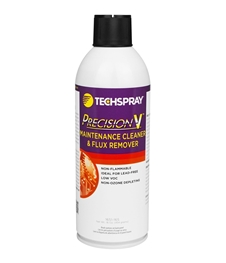
G3 Flux Remover

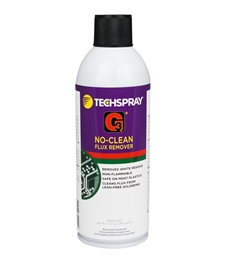
Strong, fast-acting & nonflammable flux remover

Part # Name Size Units
Per Case
Price
Per Case
Case
Qty
 
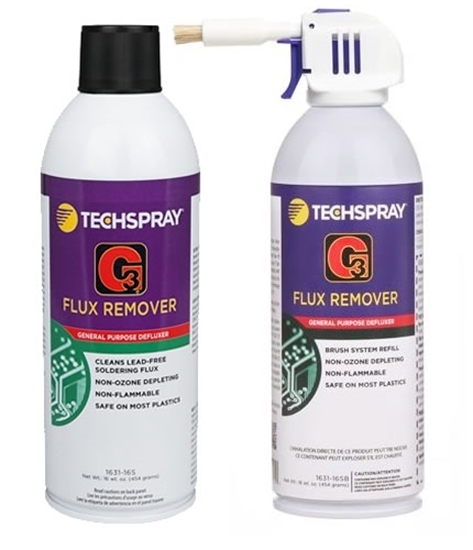
1631-16S G3 Flux Remover - 16oz aerosol 16 oz (454g) 12 $526.68
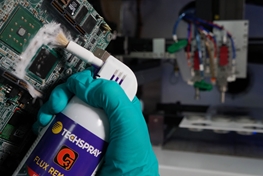
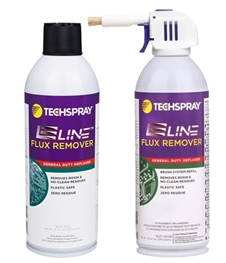
1631-16SB G3 Flux Remover w/brush - 16oz aerosol 16 oz (454g) 12 $531.36
Packaging Order minimum case quantity only. Extra shipping fees may apply.
Order from an authorized distributor

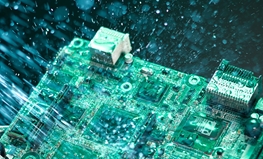
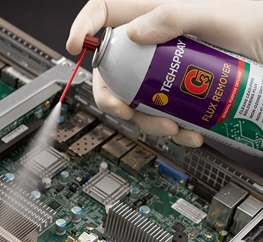
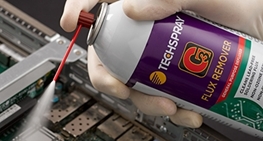
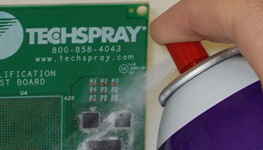
G3 has a powerful spray and strong solvent that blasts off residues and cleans areas under components that a brush cannot touch. Formulated to be powerful and nonflammable, yet economical. Eliminates brushing and scrubbing, saving time and materials.

New improved formula with lower global warming. (click link for more info)

Features & Benefits

  • Powerful cleaner and flux remover
  • Nonflammable
  • Rapid evaporation
  • Zero residue
  • Proven effective for lead-free processes
  • Non-ozone depleting

Specifications: Boeing D6 17487, Rev P

Call-outs: Ford TOX #167834


FAQ's

When should I clean off no-clean flux when soldering?
If it is not fully activated (brought up to solder temperature), you should not leave any ionic residue behind. You might have to clean if...
1. Flux is being used so liberally that it all isn’t being heated along with the solder.

or
2. The non-ionic residue can impede with the function of the devise either short-term or long-term.
How do you know the safe exposure limit of a degreaser, contact cleaner, or flux remover?
The personal hazard associated with a solvent is often defined using Threshold Limit Value (TLV), which is the recommended average exposure in an 8-hour day, 40 hour work week. The lower the TLV of a particular substance, the less a worker can be exposed to without harmful effects. TLV is stated on the SDS of chemical products, in additional to recommended personal protection equipment (or PPE). The threshold limit value of a solvent is generally set by the American Conference of Governmental Industrial Hygienists (ACGIH). The unit of measure is Parts Per Million (PPM).

Articles

VIDEO: Why & How to Clean PCBAs Before Conformal Coating
Nicole Bass & Jessica Cadena, Techspray Product Managers, stress the importance of PCB cleaning prior to conformal coating & guide you in establishing an effective process.
Read This Post

PCBA Cleaning Before Conformal Coating: Increase Reliability & Functional Life
No-clean” fluxes can lead to electrochemical migration and dendritic growth, which are one of the most common causes of failures in PCBAs. This article aims to showcase the importance of cleaning even “no-clean” fluxes in printed circuit board assemblies.
Read This Post

PCBA Cleaning & Conformal Coating Increase Reliability of Critical Systems
The focal point of this article is the factors that affect the performance of conformal coatings in varying climatic conditions. Some essential preliminary steps required before coating PCBAs are emphasized to educate the readers about the current best practices. Finally, we’ll highlight some produc...
Read This Post

More Articles
You did not finish submitting your information to request a sample