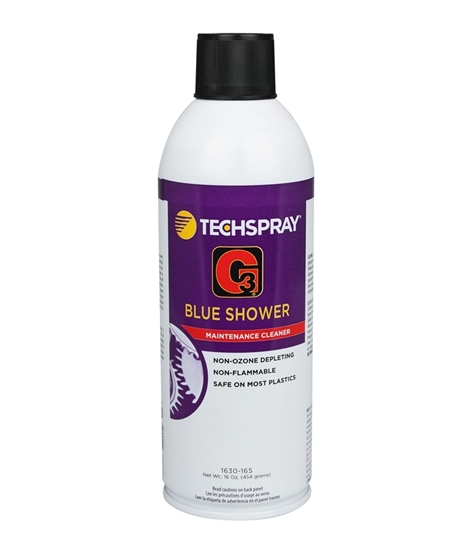






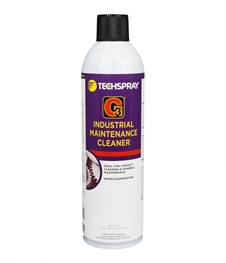
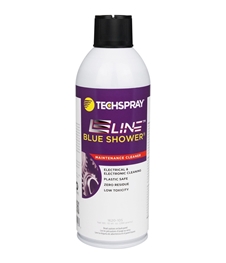
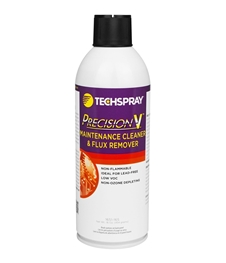
G3 Blue Shower Maintenance Cleaner

Nonflammable & powerful degreaser

Part # Name Size Units
Per Case
Price
Per Case
Case
Qty
 
1630-16S G3 Blue Shower - 16oz aerosol 16 oz (454g) 12 $548.16
Packaging Order minimum case quantity only. Extra shipping fees may apply.
Order from an authorized distributor

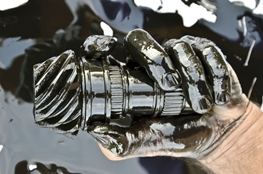
G3 Blue Shower is non-flammable cleaner formulated to be powerful, yet economical. Eliminate brushing and scrubbing, saving time and materials. Clean oil and contaminants off of metal parts, printed circuit boards, barcode instruments, switch boxes, gear relays, and electronic motor controllers.

Techspray has produced Blue Shower® maintenance cleaners for over 30 years, making Blue Shower a staple in maintenance departments all over the world!

New improved formula with lower global warming. (click link for more info)

Features & Benefits

  • Powerful cleaner
  • Non-flammable
  • Rapid evaporation
  • Zero residue
  • Dielectric strength 27.3 kv
  • Non-ozone depleting
  • NSF registered K1 and K2

For more information, check out our The Expert’s Guide to Degreasers & Maintenance Cleaners.

Specifications: Boeing D6 17487, Rev P

Call-outs: Ford TOX #16781


FAQ's

How do you know the safe exposure limit of a degreaser, contact cleaner, or flux remover?
The personal hazard associated with a solvent is often defined using Threshold Limit Value (TLV), which is the recommended average exposure in an 8-hour day, 40 hour work week. The lower the TLV of a particular substance, the less a worker can be exposed to without harmful effects. TLV is stated on the SDS of chemical products, in additional to recommended personal protection equipment (or PPE). The threshold limit value of a solvent is generally set by the American Conference of Governmental Industrial Hygienists (ACGIH). The unit of measure is Parts Per Million (PPM).
How do you use an aerosol cleaner?

Hold object to be cleaned in vertical position. Pull trigger gently to control solvent flow rate. Spray from top to bottom, allowing the liquid to flush away contaminants. 

There are a number of regulations prohibiting the use of chlorinated solvents. Should I be concerned with Trans, which is used in many of your nonflammable cleaners?

No, it should not be a concern. Many of Techspray's nonflammable solvents (e.g. G3, Precision-V, PWR-4) contain 1,2-trans-dichloroethylene (Trans, CAS# 156-60-5), which has caused confusion. The regulations controlling chlorinated solvents do not generally pertain to Trans. The following are the reasons: Many are confused with “chloro” substances due to the NESHAP requirements. The big 3 chlorinated substances are Perchloroethylene (Perc), Trichloroethylene (TCE), and methylene chloride. The association of those with all chlorinated substances is not valid. NESHAP requirements only refer to restrictions of emissions of hazardous air pollutants (HAP). Of the nearly 200 substances listed as HAP’s, Trans is not on that list. Reference the following link: https://www.epa.gov/haps/initial-list-hazardous-air-pollutants-modifications. Trans has the same exposure limit (per ACGIH) time-weighted average (TWA) as 2-propanol (IPA) -- 200 ppm. In contrast, n-Propyl Bromide (nPB) is commonly used in vapor degreasers, with TWA established by ACGIH of 10 ppm. It has been proposed to be reduced to 0.1 ppm. nPB is also listed on various carcinogen lists, notably Prop 65.

Articles

Techspray is Coming to Space Tech Expo 2025
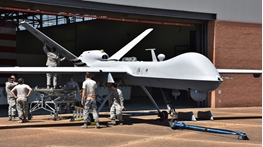
Techspray will be at the 2025 Space Tech Expo from June 2-4, 2025! We are highlighting our cutting-edge products that are innovating aviation MRO.
Read This Post

Top 7 Criteria for Qualifying a New Aviation MRO Degreaser
Given the wide range of cleaning tasks an MRO faces, each cleaning product will offer characteristics more or less suited to a specific task. However, there are seven important characteristics to rank against the intended application and the business location's regulatory requirements. An easy-to-us...
Read This Post

How to Mitigate the Risk of Aircraft Damage from Chemical Agents
FAA regulations require aircraft maintenance personnel to use only approved chemicals. When a failure to meet this legislative requirement can have serious consequences to aircraft and personnel safety, how can a maintenance technician be sure they comply? Technical data sheets and compliance with a...
Read This Post

More Articles
You did not finish submitting your information to request a sample